You would be rightly outraged if you discovered that Focus Ireland charged a homeless person for their services; and you’d probably take to the streets with pitchforks and torches if Concern Worldwide started charging famine victims for food support services. Such behavior is completely contrary to the principles of charity and works against the very heart of what we understand as philanthropy.
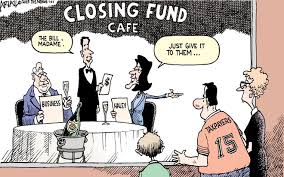
And yet this is precisely what arts organisations are asked to do: charge our end users for our services, and then ask them for charitable donations. This is like Focus charging a homeless person for their services and then asking them for a contribution!
Every arts organisation has experienced this absurdity. As a potential donor once said to me “My partner and I spend a €1000 each a year on tickets, our tax contributes to your grant, and you want me to give you more money?” Its a good question: either charge the necessary price at the point of consumption or make everything free at the point of use because its a public good. But there’s a sleight of hand about arts being both free and commercial, both public good and wealthy private interest that – interestingly – goes to the heart of questions on value and inequality.
This conceptual sleight of hand means that securing philanthropic support for the arts is different – very, very different – from securing it for “real” charitable causes. This difference means that if your organisation commits to securing philanthropic investment then your Business Model will need to make some very, very fundamental changes. Continue reading What Philanthropy does to the Arts Business Model


 Consultant - Arts, Culture and Creative Industries